As a new immigrant settling into Chicago, I was constantly searching for affordable, welcoming entertainment venues—places that offered not just amusement, but a sense of belonging. One such place quickly became close to my heart:
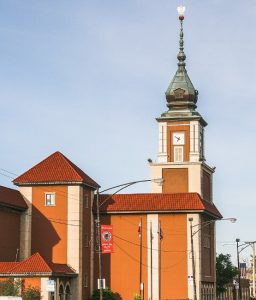
The Copernicus Center, located in Chicago’s Jefferson Park neighborhood, is one of the city’s most iconic cultural and performance venues. Known for its distinctive Polish-inspired architecture and striking observation tower, the Copernicus Center serves as a hub for live entertainment, cultural events, and community gatherings, attracting visitors from across Chicagoland and beyond.
Opened in 1981 and named after the renowned astronomer Nicolaus Copernicus, the center was originally established to celebrate Polish heritage and provide a gathering place for cultural expression. Over the years, it has evolved into a premier entertainment destination while still honoring its historical and cultural roots. Today, the Copernicus Center hosts a wide range of events, including concerts, comedy shows, theatrical performances, dance productions, and international touring acts.
One of the venue’s standout features is the Copernicus Center Main Hall, which offers excellent acoustics and seating designed to provide clear sightlines from nearly every angle. The venue’s versatility accommodates everything from intimate performances to large-scale productions. Its iconic dome and tower have become recognizable landmarks, making the Copernicus Center a point of pride for the surrounding community.
The center’s location near major roadways and public transit makes it accessible, yet events often draw large crowds, especially during popular concerts and weekend performances. For many attendees, planning transportation is an important part of the experience. Visitors frequently choose professional transportation services to avoid parking congestion, traffic delays, and the stress of navigating busy city streets—especially for evening events or group outings.
Beyond entertainment, the Copernicus Center plays an important role in Chicago’s cultural landscape by hosting festivals, private events, weddings, and corporate functions. Its connection to Polish history and the broader immigrant story of Chicago adds depth and meaning to its programming, making it more than just a performance venue.
Whether attending a concert, cultural celebration, or private event, the Copernicus Center offers a unique blend of history, architecture, and live entertainment. Its continued popularity reflects Chicago’s diverse cultural fabric and the city’s long-standing appreciation for the arts, making the Copernicus Center a must-visit destination for residents and visitors alike.